Twisted Mindset: A Graceful Handwritten Display Typeface for Editorial Design
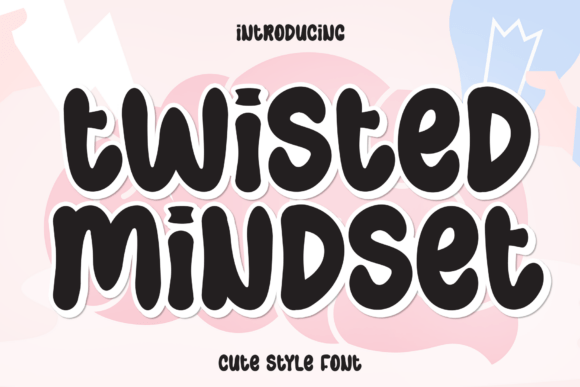
I remember the exact moment I realized my latest lifestyle blog redesign was missing its soul. The layout was clean, the images were high-resolution, but the typography felt sterile and disconnected from the warm, personal voice of the content. That is when I decided to test Twisted Mindset, a charmingly graceful typeface that radiates an enchanting blend of whimsy and elegance. As a handwritten display font, it immediately transformed the visual hierarchy of the page, turning standard headers into inviting focal points that drew readers deeper into the story.
This review explores how this specific Display typeface functions within real-world publishing projects, moving beyond simple aesthetics to discuss how it supports editorial mood, publication identity, and content structure. Whether you are designing a wedding guide, a coaching workbook, or a digital magazine, understanding the rhythm and personality of these Fonts is essential for creating a cohesive brand experience.
Twisted Mindset as a Hero Font for Blog Headers and Magazine Covers
The primary strength of Twisted Mindset lies in its ability to command attention without overwhelming the reader, making it an exquisite choice for hero elements like blog headers and magazine covers. When I applied this handwritten display font to the title of a recipe ebook, the playful yet warm persona of the letterforms instantly established a cozy, approachable atmosphere that serif fonts often struggle to achieve. Unlike rigid geometric sans serifs, the organic curves of Twisted Mindset mimic the natural flow of human handwriting, which creates an immediate sense of intimacy with the audience.
In my testing, the font excelled at establishing visual hierarchy on mobile devices where space is limited. The distinct character of each glyph ensures that headlines remain legible even at smaller sizes, provided they are not crammed too tightly. For editorial designers looking to build a unique publication identity, using this premium font as a cover text or section opener allows for a level of customization that feels bespoke rather than generic. It serves as a perfect anchor for modern typography projects that aim to balance professional polish with creative flair.
Enhancing Editorial Mood with Whimsical Typography
The emotional resonance of Twisted Mindset is particularly effective for publications that rely on storytelling and personal connection. When used for pull quotes in an editorial feature page, the font's elegant swirls add a layer of sophistication that elevates the perceived value of the content. I found that pairing the Display style of Twisted Mindset with a classic serif font for body copy created a harmonious contrast; the structured readability of the body text allowed the whimsical nature of the headline to shine without causing visual fatigue.
This combination is ideal for lifestyle blogs, wedding guides, and course PDFs where the goal is to evoke a specific feeling rather than just convey information. The font acts as a design asset that signals creativity and thoughtfulness, encouraging readers to linger longer on the page. By integrating these creative fonts strategically, publishers can craft a narrative arc through their typography alone, guiding the reader's eye from the dramatic introduction to the detailed content below.
Twisted Mindset for Printable Planners and Coaching Workbooks
Beyond digital screens, Twisted Mindset proves to be a versatile tool for physical product design, specifically for printable planners, worksheets, and coaching workbooks. In a recent project involving a digital planner, I utilized the font for chapter openers and decorative accents to break up dense blocks of instructional text. The playful yet warm persona of the typeface made the workbook feel less like a textbook and more like a friendly companion, which is crucial for user engagement in self-improvement materials.
When exporting these designs for print, the clarity of the handwritten display font remained intact, ensuring that titles and labels were crisp and professional. However, it is important to note that while the font is excellent for headings and short phrases, it is generally not suitable for long-form body copy. The expressive nature of the letterforms can reduce reading speed if used extensively in paragraphs, so it should be reserved for emphasis rather than narration. This distinction is vital for maintaining readability in both PDF exports and printed materials.
Building Brand Identity Through Custom Lettering Styles
For independent content brands and creators selling digital downloads, consistency in typography is key to building trust. Twisted Mindset offers a distinct look that helps products stand out in crowded marketplaces. By incorporating this commercial font into social media graphics, newsletter headers, and packaging design, creators can establish a recognizable visual language. The font's unique character set allows for varied applications, from bold main titles to delicate subheadings, providing a full spectrum of design options within a single family.
When selecting font pairing strategies, consider combining Twisted Mindset with a clean sans serif font for navigation elements and captions. This approach ensures that functional text remains highly legible while the display font carries the emotional weight of the brand. Checking the included styles, alternates, and ligatures before purchase is also recommended to ensure you have enough variety to maintain interest across different pages of your publication.
Practical Considerations for Digital and Print Layouts
Integrating Twisted Mindset into a workflow requires thoughtful planning regarding file formats and licensing. As a modern typography solution, it supports various platforms, from web design to email marketing campaigns. The font files typically include multiple weights and styles that allow for dynamic scaling, ensuring that the design looks sharp on retina displays and high-resolution printers alike. For newsletter writers, using the font in the subject line or header graphic can significantly increase open rates by adding a touch of personality that automated templates lack.
However, designers must remain mindful of the font's limitations. While it is an exquisite choice for logos and branding, it may not be the best fit for formal reports or academic papers where neutrality is preferred. The whimsical nature of the Display category demands a context that embraces creativity. When used correctly, it transforms standard layouts into engaging experiences that resonate with audiences seeking authenticity and charm. Ultimately, the decision to use Twisted Mindset depends on whether your project aims to inform, inspire, or delight—and for most creative endeavors, it delivers all three.
By carefully selecting where to apply this typeface, editors and designers can enhance the overall quality of their work. Whether you are redesigning a website, launching a new ebook, or creating a series of printables, the right font can make all the difference. Twisted Mindset offers the flexibility and character needed to elevate any project, proving that a well-chosen handwritten font is more than just decoration—it is a fundamental component of effective communication.