Pixel Breaker: The Bold Gaming Font for Creative Branding
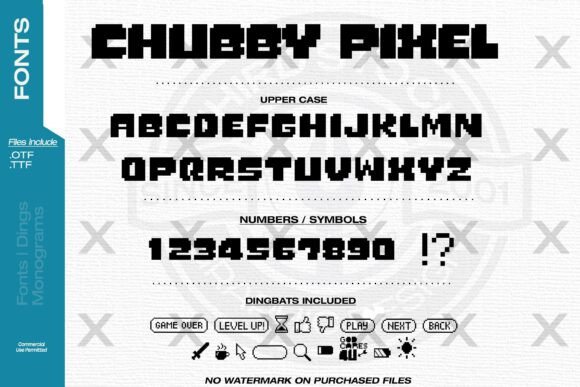
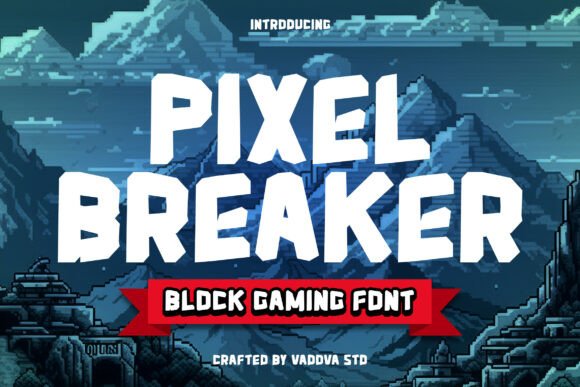
I opened my design software with a blank canvas, staring at a new project for a local retro-style coffee shop that wanted to stand out from the minimalist trends dominating the market. My client needed a visual identity that screamed nostalgia without looking like a cheap copy of an 8-bit video game from the nineties. That was when I pulled up Pixel Breaker, a bold block-style gaming font with sharp geometric construction and a strong arcade-inspired character. As soon as I dropped it onto the logo draft, the entire mood of the brand shifted; the chunky letterforms with a pixelated influence gave the coffee shop exactly the playful yet structured personality they were chasing.
This experience highlighted why this specific typeface is such a powerful tool for designers working on display projects. Unlike standard sans-serif fonts that often blend into the background, Pixel Breaker demands attention immediately. It is not just another decorative option in your library; it is a strategic asset for brands that need to communicate energy, fun, and a distinct digital heritage. Whether you are designing a logo, creating social media graphics, or crafting packaging, understanding how to leverage its unique geometry is key to successful branding.
How Pixel Breaker Defines Modern Typography for Arcade-Inspired Logos
When I first tested Pixel Breaker on the coffee shop's logo concept, the immediate impact was undeniable. The font's sharp geometric construction allowed me to create a mark that felt both modern and rooted in classic gaming culture. For any designer looking to build a logo for a creative studio, a tech startup, or a boutique entertainment venue, this display font offers a level of character that traditional serif or sans-serif fonts simply cannot match. The chunky letterforms provide a solid foundation for iconography, ensuring that the text remains legible even when scaled down to a favicon or enlarged for a storefront sign.
- The bold weight ensures high visibility on business cards and merchandise.
- The geometric angles create a sense of precision and stability in the brand identity.
- The arcade-inspired character adds a layer of storytelling that resonates with younger demographics.
In this context, Pixel Breaker functions perfectly as a primary headline font. It anchors the design system, providing a clear hierarchy that guides the viewer's eye to the most important information. When paired correctly, it transforms a generic brand name into a memorable visual statement.
Why Pixel Breaker Works Best as a Display Font for Packaging Design
Moving beyond the logo, I applied the same font to the product labels and packaging mockups for the client's line of artisanal snacks. Here, the utility of Pixel Breaker as a dedicated display font became even more apparent. In the crowded retail environment, products need to pop off the shelf, and the pixelated influence of these fonts creates a tactile, almost three-dimensional feel that draws the consumer in. The strong arcade-inspired character suggests quality and fun, which is perfect for food items, toys, or limited-edition releases.
The chunky letterforms with a pixelated influence allow for creative layout possibilities. You can arrange the text in blocks, stack words vertically, or use the negative space within the letters to integrate small graphic elements. This versatility makes it an ideal choice for packaging design where space is often limited but impact must be maximized. It turns a simple label into a piece of art that customers want to keep.
Integrating Pixel Breaker Into Digital Marketing and Social Media Graphics
The project wasn't just about print; the client also needed a cohesive look for their Instagram posts and website headers. This is where Pixel Breaker truly shines as a versatile digital asset. On screens, the sharp geometric construction translates beautifully, maintaining its crisp edges whether viewed on a mobile device or a large desktop monitor. I used the font for hero sections on the homepage, where it served as a powerful hook to grab visitors' attention instantly.
For social media graphics, the font's ability to convey a specific mood is invaluable. It works exceptionally well for event announcements, promotional banners, and quote cards. The strong arcade-inspired character evokes a sense of urgency and excitement, making it perfect for "Flash Sale" or "New Arrival" announcements. By using this font consistently across all digital touchpoints, we created a unified brand voice that felt authentic and engaging.
Effective Font Pairing Strategies for Pixel Breaker in Editorial Design
One of the most common questions I face as a designer is how to balance a heavy, stylized display font like Pixel Breaker with body text. If you use too much of it, the design can become overwhelming and hard to read. However, when paired correctly, it creates a stunning contrast that elevates the entire layout. In our editorial design work, I paired Pixel Breaker with a clean, neutral sans-serif font for the body copy. This combination allows the bold headlines to do the heavy lifting while the supporting text remains easy to scan.
Alternatively, for a softer, more elegant look, you might consider pairing it with a delicate script font or a handwritten font for accents. This juxtaposition of the rigid, blocky gaming aesthetic with fluid, organic strokes can create a unique and sophisticated style. The key is to let Pixel Breaker be the star of the show. Use it for titles, captions, and pull quotes, but reserve the lighter typefaces for longer passages of text. This approach ensures that the brand identity remains strong without sacrificing readability.
Practical Tips for Using Pixel Breaker in Commercial Projects
Before committing to a full brand rollout, I always recommend testing the font in various real-world scenarios. I printed out samples of the Pixel Breaker font on different materials, including matte paper, glossy cardstock, and vinyl stickers. This helped us see how the sharp geometric construction held up under different lighting conditions and textures. We found that the font looked particularly striking on dark backgrounds with white lettering, enhancing the contrast and making the pixelated details pop.
It is also crucial to check the included styles and alternates provided in the font file. Many premium fonts come with special characters, ligatures, or alternate glyphs that can add extra flair to your designs. For commercial font licensing, ensure you have the appropriate rights for the intended use, whether it is for web design, print, or merchandise. Understanding the technical specifications of your chosen typeface prevents legal issues and ensures the highest quality output.
- Test the font at various sizes to ensure legibility in small applications.
- Experiment with kerning and tracking to optimize spacing for different word lengths.
- Verify multilingual support if your brand targets a global audience.
- Check file formats to ensure compatibility with your design software.
Ultimately, Pixel Breaker is more than just a font; it is a design solution for brands that want to make a statement. Its bold block-style construction and arcade-inspired character offer a fresh perspective in a sea of generic typography. Whether you are a freelancer, a creative studio, or a small business owner, incorporating this display font into your workflow can significantly enhance your visual communication. By understanding its strengths and applying it thoughtfully, you can create branding that is not only visually appealing but also deeply connected with your audience.